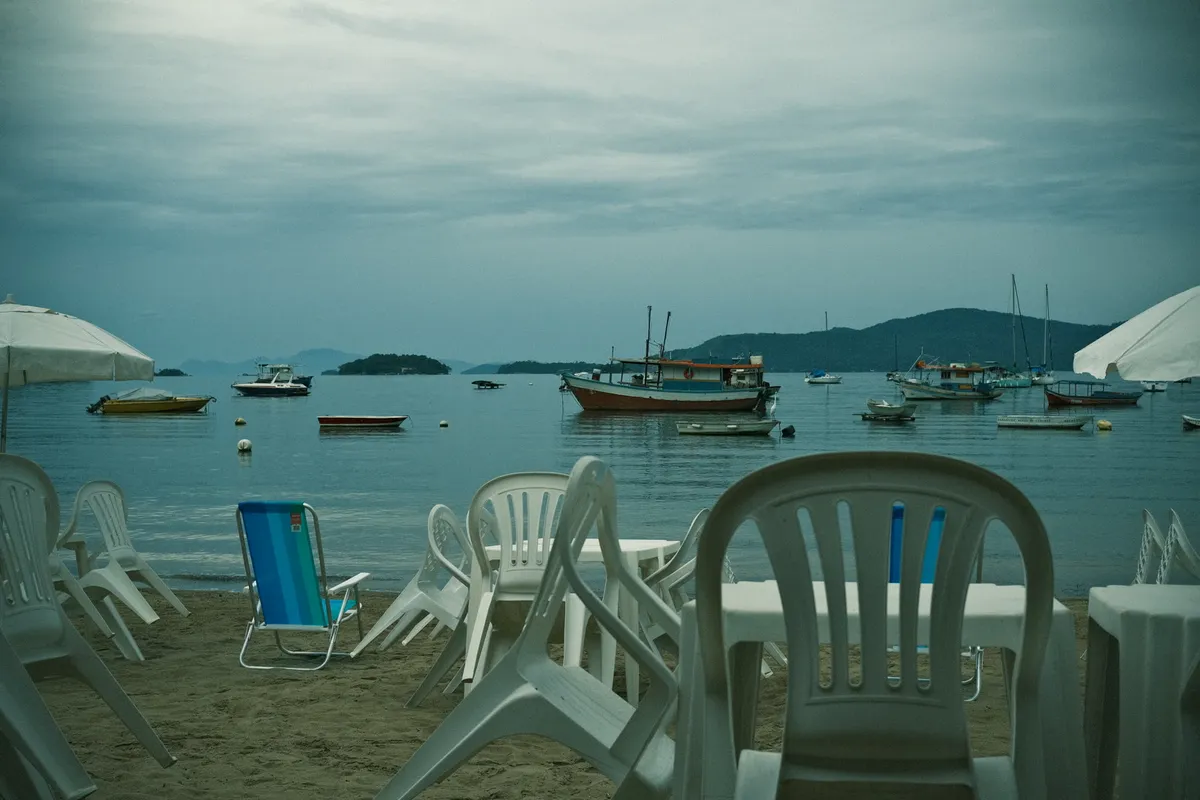
After a week living off a few blocks off Ipanema beach, we traded daily swims, cold chopps, and sunrise hikes for a week on the road driving down the Costa Verde. A vida é boa - life is good.
Ilha Grande
Our first stop on the way was Ilha Grande, an island famed for stunning remote beaches and a well maintained network of trilhas (trails). A rare place where hikers in full high ankle boots, zips through short-pants and Columbia sweat wicking hiking hats, meet the quintessential Brazilian bikini babe, wearing the almost uniform-like freshly blow dried hair with a yellow and green thong set.
The forest is dense and primal. Monkeys stare at lightly clothed hikers from above, hidden away under large tropical leaves in the canopy. The beaches come in different shapes and sizes. Some tourist heavy, with busy posadas (hostels) and ice-box vendors selling cold and understandably overpriced brahmas (iconic Brazilian beer). Others nestled away, protected by strict 'by foot' access, so quiet you could hear the forest from the beach.
We stayed in the back street of Abrao, the islands biggest town, curated for the tourist masses coming for neighbouring regions of Brazil and Argentina. We were met with flocks of tour providers offering barque trips from one picturesque beach to another and restaurants workers, trying to get you through the door.
Cunha
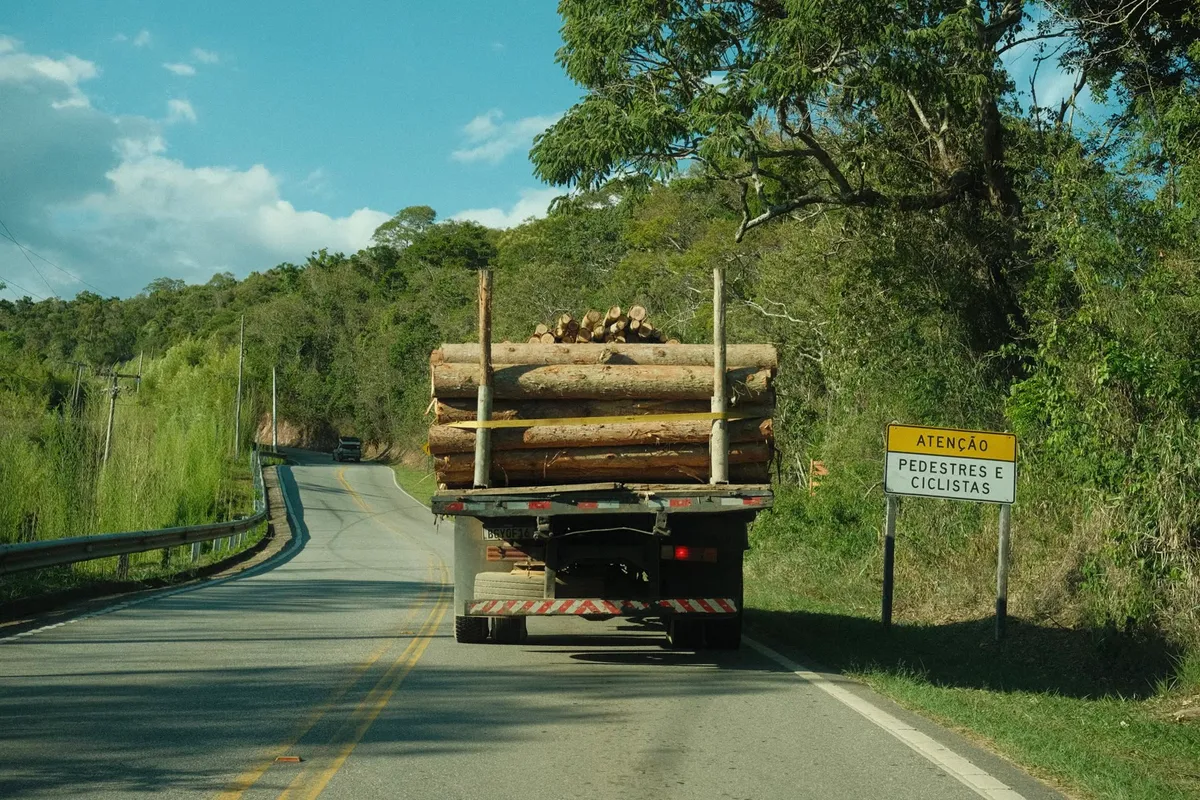
Cunha was easily the dark horse of the trip. Unassuming. A 2-day buffer between two beach destinations that turned out to be a fan favorite. Nestled up in the Serra da Bocaina, past the São Paulo state border, Cunha is a small agricultural town famed for rolling cow grazing pastures and a thriving ceramics scene. Back in the 70s, a group of Japanese potters immigrated to Brazil and discovered Cunha's clay was exceptionally well-suited for pottery. They settled here and established a small ceramics industry that still thrives today. We toured the traditional climbing kilns at Suenaga and picked up some espresso cups; small enough to squeeze into our carry on. Another highlight of this area is the abundance of cachoeiras (waterfalls); if you're brave enough to navigate bumpy dust heavy gravel tracks to reach them. The waterfalls act as watering holes for locals to escape the higher altitude dry heat, crack a cold brahma and grill some picanha skewers on the bbq.
Trindade
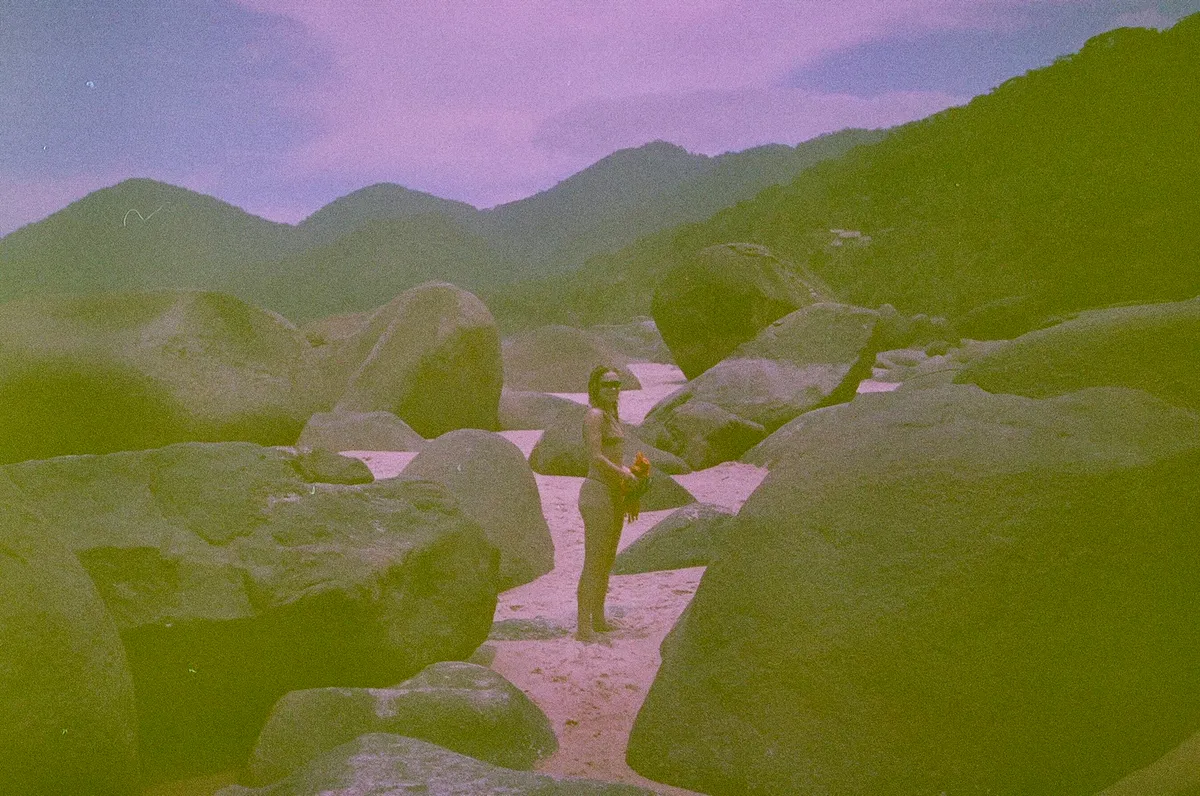
After our mountain reset in the São Paulo hills, we drove back down to the beach for a day in Trindade. Yet another stunning costa verde beach with views of jungle and golden sandy beaches, almost island-like despite being on the mainland. The beach is covered in near perfectly round rocks, similar to a bunch of other beaches up and down the coast. A google search later revealed that they are ancient chunks of granite that have been weathered by the tropical rains for millions of years, shaping them into near perfect spheres boulders. The holidaying paulistas weren't there for the rocks. Brahma and pastel in hand they were busy day drinking away whilst taking in the views.
Paraty
Some of the pamphlets at our Airbnb referred to Paraty as the Venice of Brazil. Pretty sure the Venetians would have a word to say about that. Wealthier than any of the other towns we visited, Paraty is a place where you can have more of a fine dining experience, listening to some acoustic guitar, sipping on a local cachaça, and feasting on a huge moqueca to share. Picturesque colonial architecture, iconic cobbled streets, bright white buildings with colorful door and windows. Understandably, the town has been designed for tourism. Souvenir shops at every street corner. Sweet treat vendors selling slices of lemon cheesecake from a wooden cart. Weed heads selling biodynamic feather earrings, re-energizing hemp shirts and bid chirping whistles. Little to give to a local experience from within the Centro Histórico. With little time left be for our 4h drive back to Rio, we didn't have the chance to dig deeper and explore the local scene that Paraty must have to offer.