It was a toss up between tailwind or headwind. We were lucky enough that the wind was in our favour that afternoon, kickstarting our journey along the Patagonian steppe. Our planned route was simple. Start from Bariloche, head down the Patagonia beer trail, cross the border into Chile and then head to the final bits of the trail.
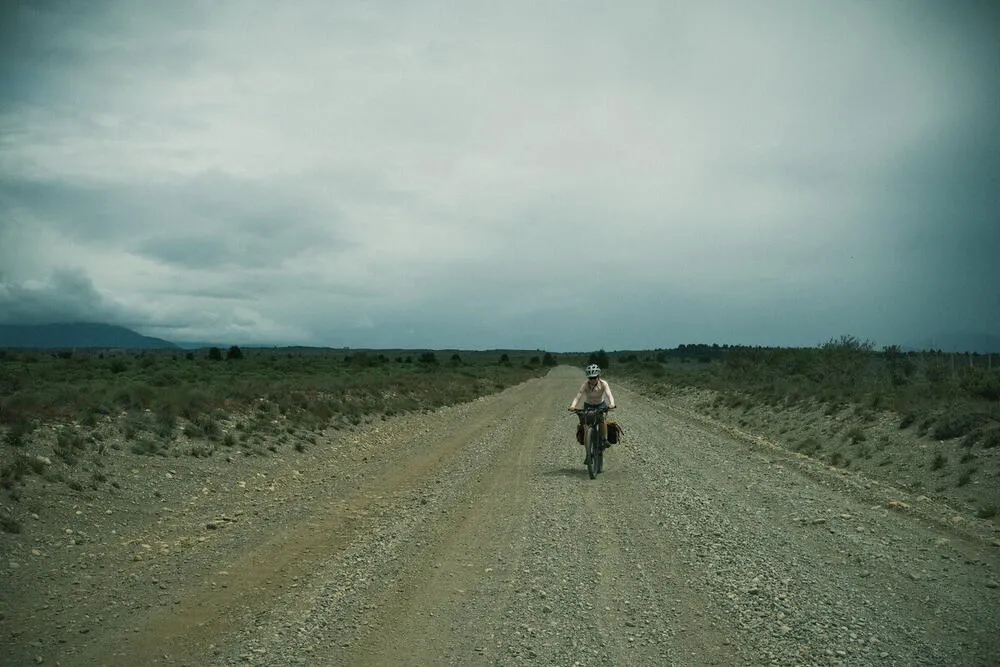
The Patagonian steppe is brutal—no wind cover, river crossings, relentless bumpy roads. Barren but stunning. The route rode us on winding gravel roads through small estancias, camping by trout-filled streams and eye-stretching plains of bushland. Crossing endless gates, waving hello to the odd sheep or cow as there was no one to see other than the odd gaucho driving his Hilux, cigarette in mouth, holding down his crate of Quilmes on the passenger seat.
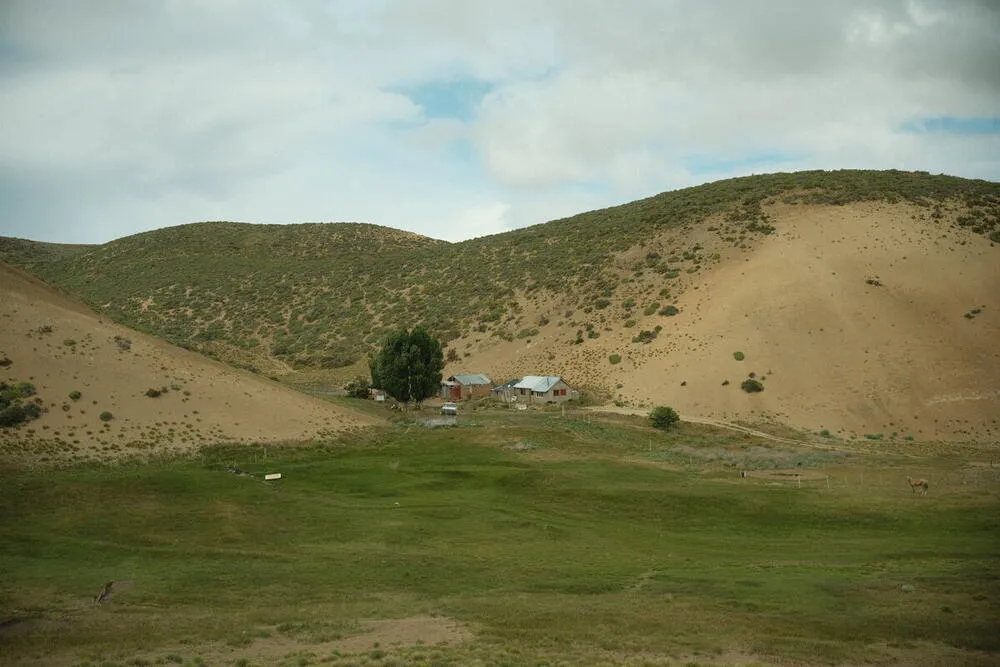
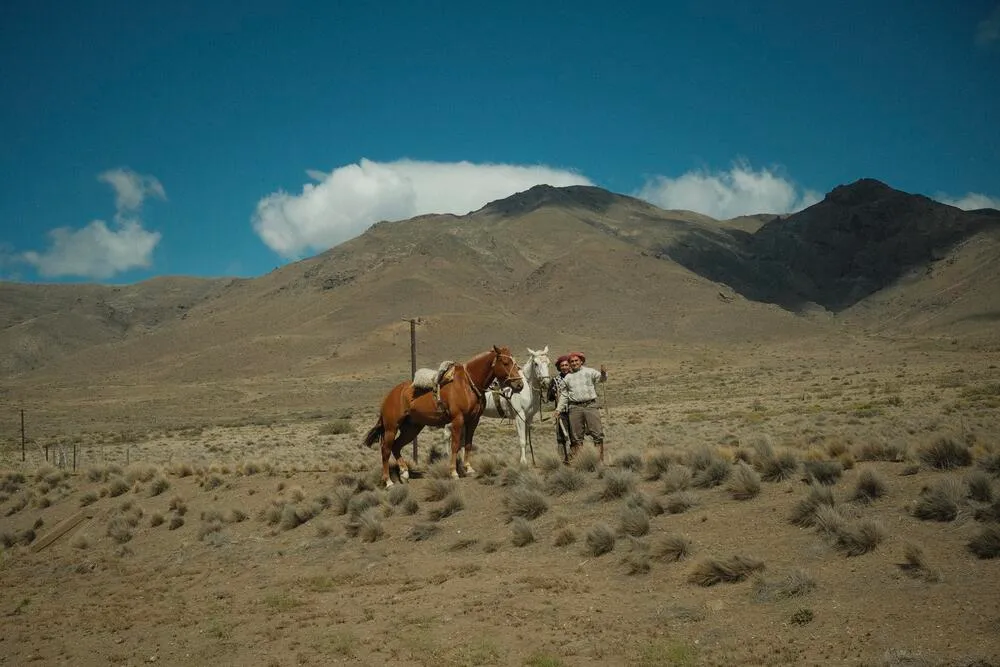
We rode into Norquinco on day two. A windswept town seemingly lost from the rest of the world. A small community, hours on a dirt road from the next town. Two shops, one restaurant and some great midday light. One bag of liquid yogurt drink and a cheese and crisps sandwich and we marched on through some of the strongest headwinds of the trip. Wide open valley with thin roads stretching through the middle. The landscape had been forged by the wind for centuries. Strong gusts would force us to set a foot down. We pedalled with our heads close to the handlebars to avoid catching the wind. We'd zigzag on the road in search of the flattest road surface possible, avoiding any washboard that would bring us to a near halt. Watching the kilometres add up on my bike computer felt like watching paint dry.
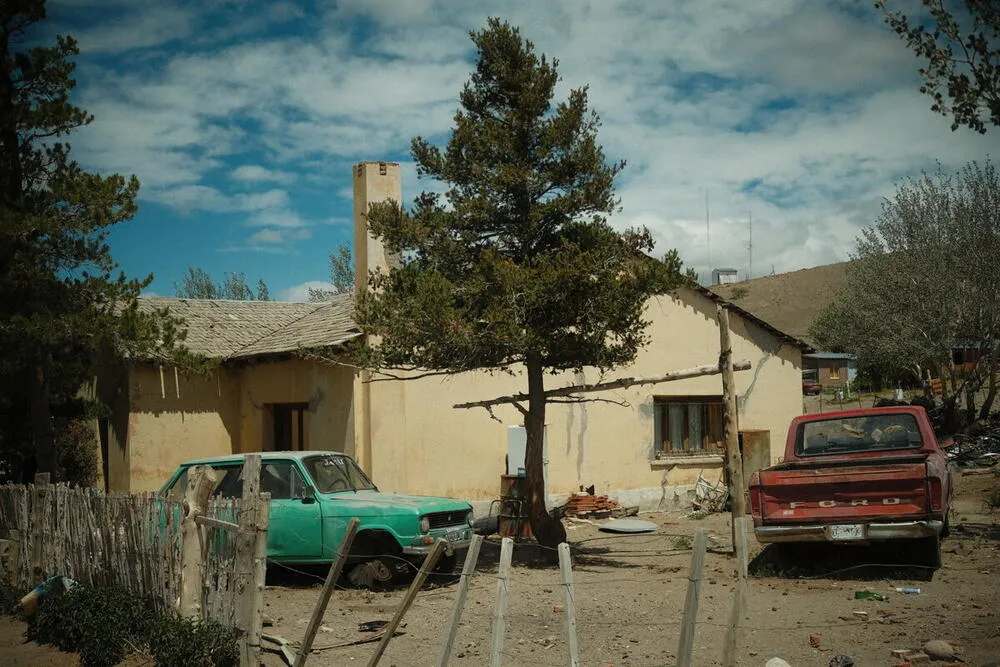
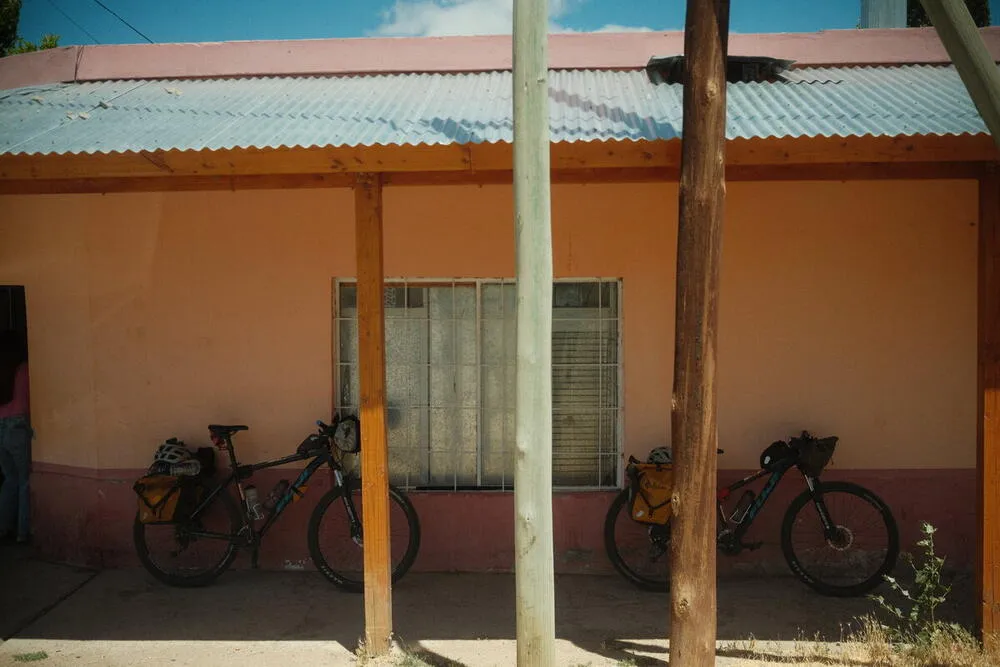
We eventually made it to El Maitén, set up camp in the municipal campground and drifted asleep after an average milanesa from the restaurant up the road.
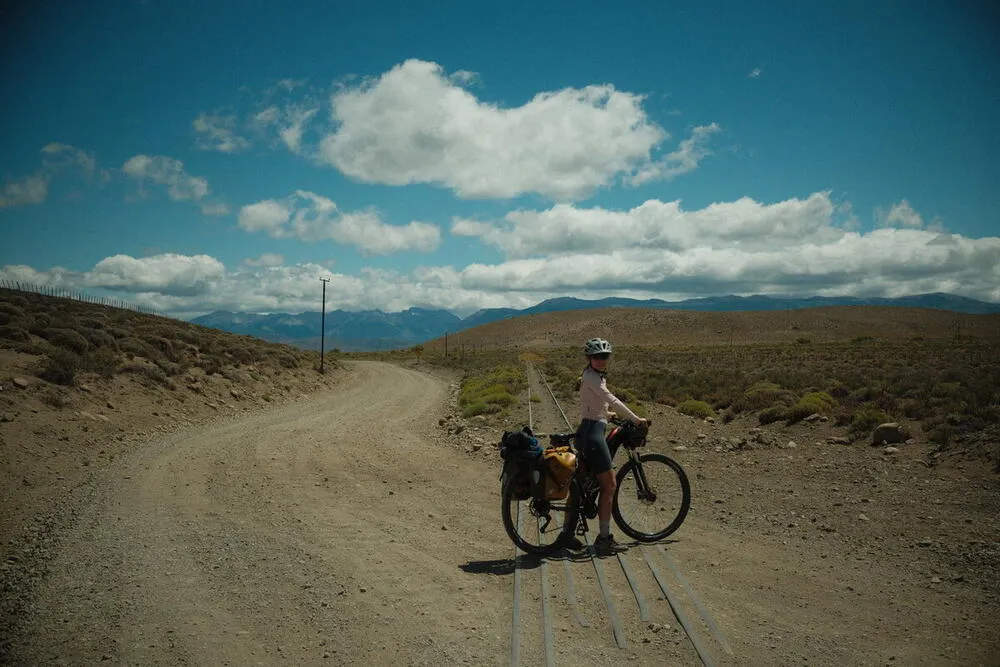
We woke up to the sounds of a group of screeching Andean ibis (the pigeon of Patagonia) and powered on to El Bolsón, the last town before we would head to the Chilean border. The town had a western-like vibe with old cars from the 70s playing Guns n' Roses on the radio and horseback gauchos walking down the street drinking out of leather flasks. We fuelled up at a local spot with a much better milanesa and a hefty portion of mashed potatoes before heading to Lago Puelo to get a boat to the ferry.
The border crossing was one of the most challenging parts of our ride. I had previously read a blog dated a few years back that mentioned that you could cross it by bike. The border official on the Argentinian side seemed convinced we'd be fine, informing us that the chilean border would shut at 7pm. Giving ourselves three hours to ride the trail, we figured it would be a breeze.
That was not the case. Our loaded bikes were dragged up and down an 8km long track through the wet jungle, across log bridges and up rocky paths. Felt like a fever dream in action. Adrenaline pumping, chucking the bikes up or down where we couldn't ride or push them. Hectic single track over fallen trees and branches. So locked in that I didn't even think about getting the camera out.
Drenched, sweaty, covered in dirt we arrived at the Chilean border on time to cross, only to realise the border had shut at 15:30. The Argentinians had no idea—once we stamped out we weren't their problem.
We camped up the road on a lakefront and officially rode into Chile the next day, after our morning bowl of dulce de leche oats.
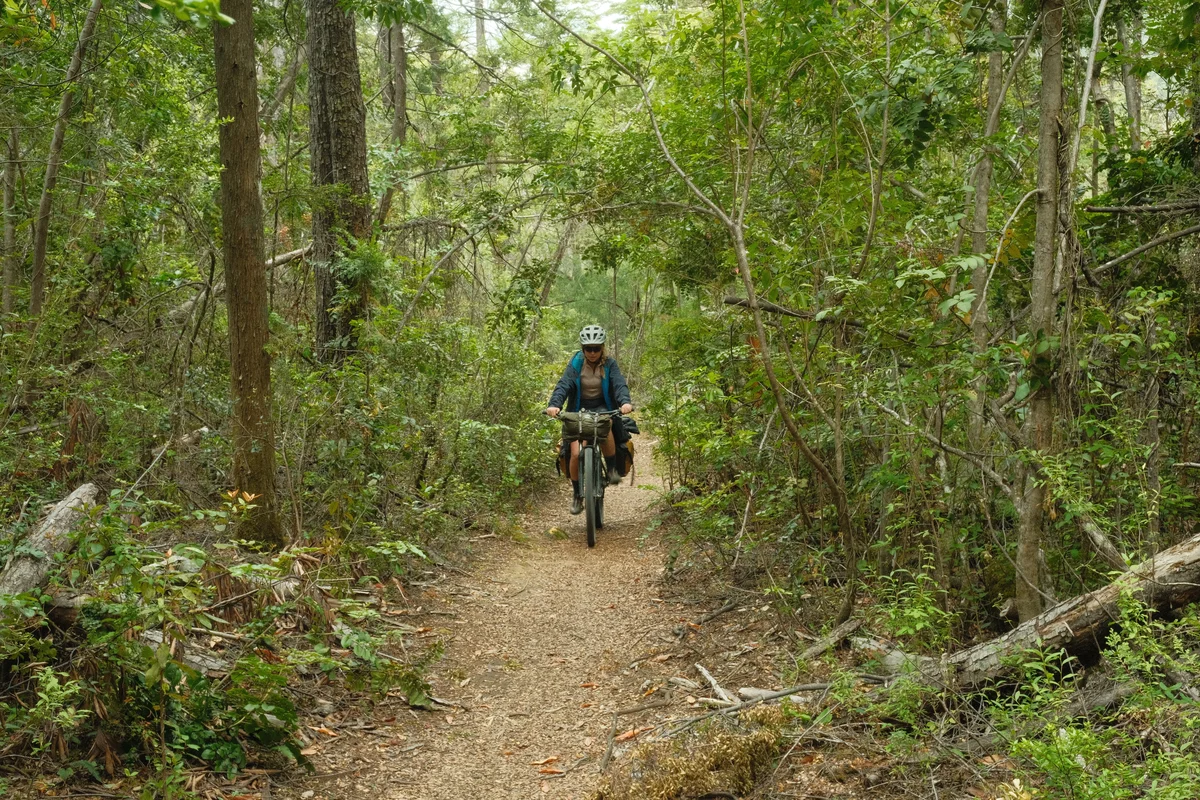
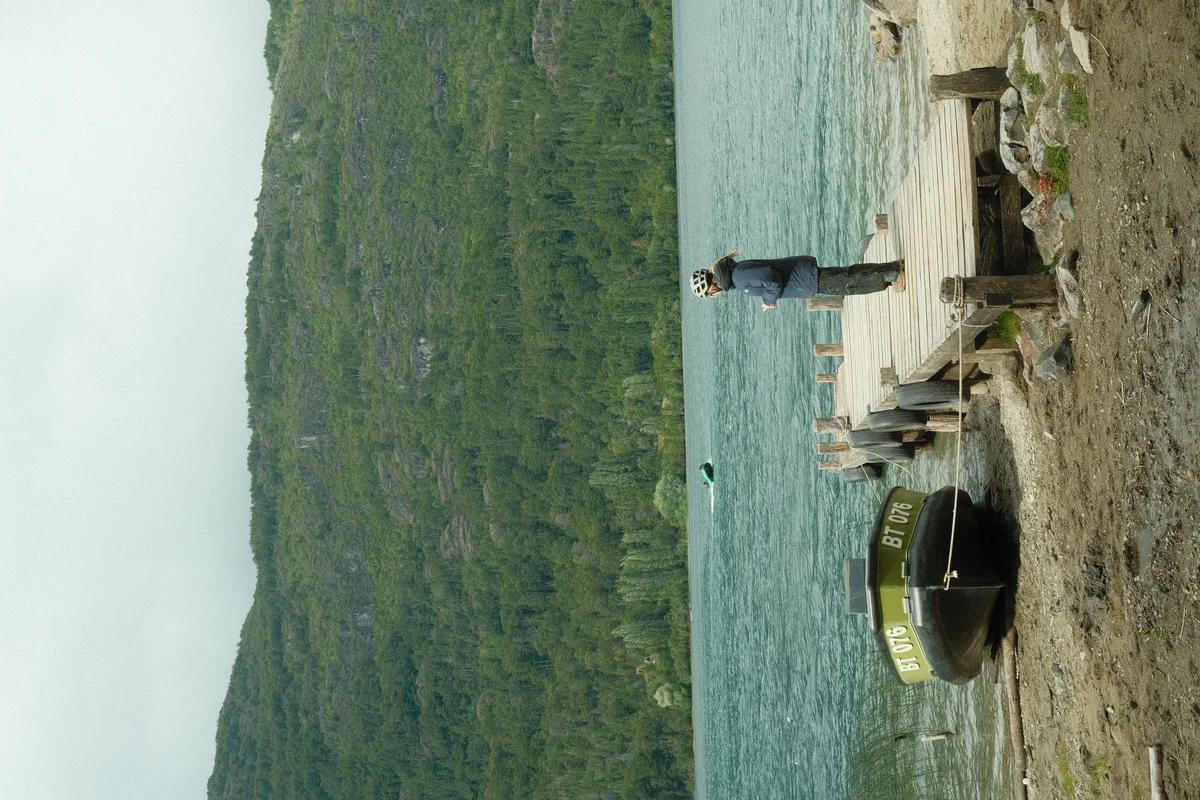
A short boat ride across Lago Inferior and we were on Chilean roads! The next couple of hours were roller coaster-like, racking up elevation for the day. The climate had completely shifted as we headed toward the Pacific. Trees were tall, with vines, the air was humid, everything so green. Every household would grow veg. Beautiful rivers, lakes, and waterfalls. We arrived at Lago Tagua Tagua bang on time to jump on the ferry.
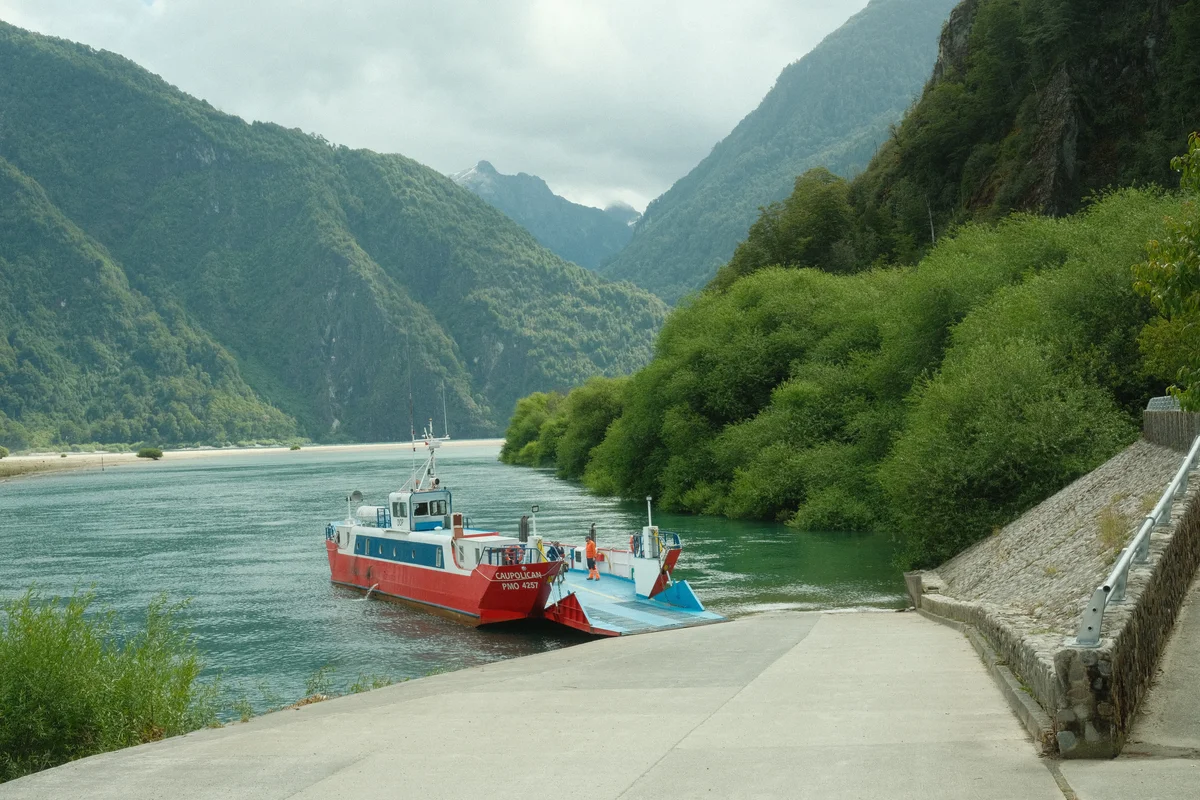
That night, we ditched the tent and stayed in our first hospedaje, where a cute lady prepared some fresh trout and mash along with a glass of her own home brew. After arguably the best sleep of the entire ride in her guest room upstairs, she served us our breakfast and sent us on our way.
We got to the Pacific. It felt like it. The air was wetter. It smelt of fish and salt. We rode along the side of a fjord up to the small town of Cochamó. Salmon farms in the distance, the odd cattle or sheep farm perched on the waterfront. Crazy to think that three days prior we had been fiercely battling headwinds in the desert.
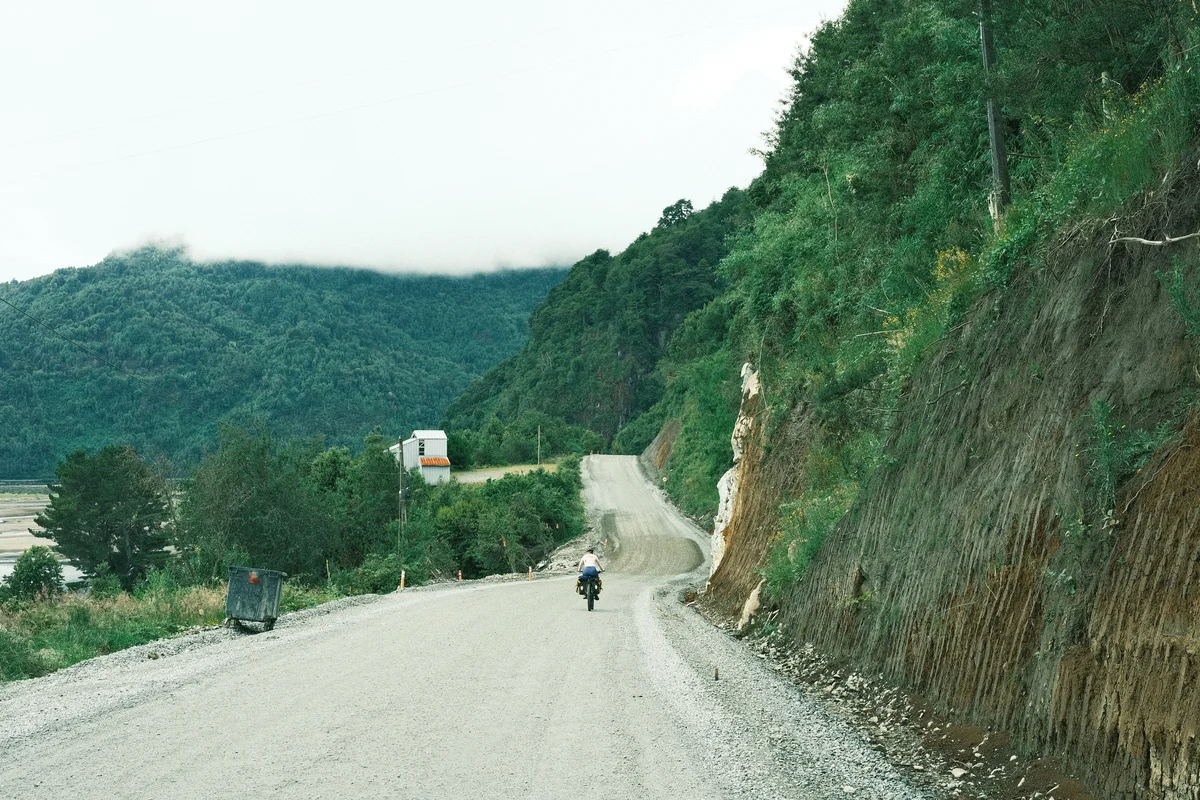
It was Charlotte's birthday so we were in for a birthday cake lunch break. We rocked up to a café in Cochamó that seemed to be the only one that accepted a credit card. The lady running the shop was so excited when I asked her for a slice of cake with a candle. She filmed Charlotte blowing out her birthday candle and then dusted off the accordion to sing us a song.
The ride went on up the valley towards Ensenada and then toward Puerto Varas, a town on the edge of Lago Llanquihue with stunning views of Volcán Osorno, an iconic Mount Fuji-like summit that did not cease to impress.
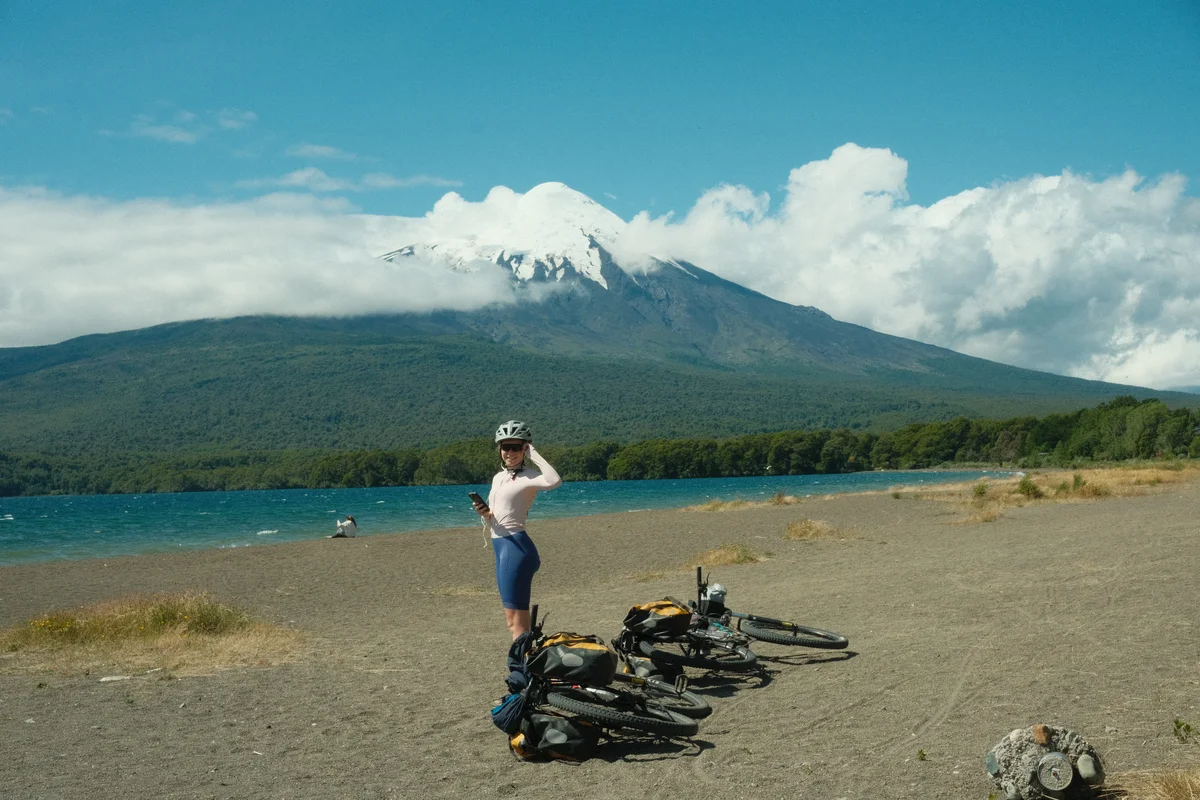
Christmas is a big deal at the Belissent's. Big family get together. Long dinner tables with endless food. Multiple meals moulding into one long one. This year was different. Both Christmas Eve and Christmas Day were spent eating on the lakefront. Chicken empanadas, smoked Chilean salmon, pizza and local craft beer. It was far from traditional. But it felt ever so special.